Introduction
Quality safety knives are instrumental in preventing workplace injuries. Without them, accidental cuts are all too common; in fact, laceration injuries remain among the most frequent workplace incidents across Australian industries. This not only impacts employee wellbeing and productivity, but it also drives up insurance premiums and regulatory risks. However, these injuries can be significantly reduced by introducing safety knives and implementing a well-structured knife safety programme that teaches employees the correct way to utilise them while minimising blade hazards and fostering an overall safer work environment.
That said, introducing a safety knife program may be a little more complex than many companies initially expect. Many workers who regularly carry out cutting tasks can be resistant to changing their routine, even when it's intended to create a safer workplace. As a result, introducing a knife safety programme is not always a straightforward process
To help things along, we’ve written a quick guide with some tips to successfully making the change to safety knives a lot easier.
Assess the Safety Level of Current Cutting Tools
Before you can improve safety outcomes, it's essential to gain a clear understanding of your current environment. Begin by conducting a thorough audit of all cutting tools used throughout your facility; this includes everything from general-purpose utility knives, scissors to more task specific tools.
Categorise each knife based on its safety level — such as open bladed knives, manual retractable knives, concealed-blade knives, semi-automatic retractable knives, or fully automatic safety knives. This classification helps identify which tools pose the highest risk and which are already aligned with best practices.
Pay special attention to high-risk departments or work areas where cutting-related injuries have occurred in the past or where tools are used with high frequency. These zones should be prioritised for upgrades.
Identify Specific Cutting Applications
Understanding the types of materials your workers cut daily is vital when selecting the appropriate safety knife. Not all cutting tools serve the same purpose and using the wrong one can lead to inefficiency — or worse, injury.
For example, cutting shrink wrap typically requires a lightweight, hook-bladed knife to avoid damaging the contents inside. By contrast, cutting triple-wall corrugated cardboard demands a heavier-duty knife capable of maintaining control through thick layers. A task like wire stripping should never be performed with a general-purpose utility knife; instead, it calls for dedicated electrical tools designed for the job.
We suggest creating the following goal: every cutting task should be paired with a tool that maximises both safety and performance. A one-size-fits-all approach will almost always fall short, so precision matters in your selection process.
Train Staff on Proper Use of Safety Knives
Lack of proper training is one of the most common reasons employees resist adopting safety knives. Without clear instruction, tools may be misused, leading to frustration or accidents, thus undermining your safety goals.
Develop clear and practical Standard Operating Procedures (SOPs) that outline the correct way to use each tool. Supplement written materials with hands-on demonstrations, group training sessions, and video tutorials tailored to specific applications.
Importantly, always explain the rationale behind the use of safety knives — you should highlight how they reduce injury risk, support legal compliance, and help create a safer work culture overall. People are more likely to engage with change when they understand its purpose. We suggest showing staff how even advanced tasks, like slabbing, can be performed effectively with slider-style safety knives when used correctly.
Set Realistic Expectations for Performance
One of the biggest challenges during rollout is the misconception that a single safety knife will meet every operational need. In practice, expecting one tool to handle every cutting task is unrealistic.
Instead of forcing a single solution, take a more strategic view. For highly specialised jobs — such as wire stripping, cutting rubber sheeting, or slicing foam — select appropriate tools that were designed specifically for those purposes. Continuing to rely on a standard utility knife in these scenarios is both unsafe and inefficient.
Remember, it's far better to provide two or three specialised safety knives than to keep using one high-risk tool for every job. By framing this as a safety-first decision, you can help shift your team’s thinking toward long-term injury prevention. Operators may raise objections or other concerns to avoid switching tools. Often, these objections are easily overcome with targeted training. In rare cases, their feedback may highlight the need for an alternate tool better suited to a specific task—just be sure the discussion remains focused on finding the safest viable option, not reverting to older, unsafe habits.
Provide Alternatives for Specialised Tasks
Let’s say you’ve implemented a new safety knife that performs well in 90% of your applications. That’s a success, not a failure. The remaining 10% of tasks where the tool struggles should not be used as an excuse to abandon the new standard altogether.
Instead, source an alternative safety knife that addresses those specific cutting challenges.
Offering one or two additional tools is a small price to pay for eliminating a significant portion of your laceration risk.
Remember, most employees already use a variety of tools during the day—one more purpose-built item is reasonable and often welcome when it improves efficiency and comfort.
Flexibility Tip: The tools should fit the job, not the other way around. Always maintain agility in your approach while staying firm on safety expectations.
Partner with a Specialist for Ongoing Support
Rolling out a safety knife program doesn’t need to be done in isolation. Partnering with a dedicated safety knife provider can make the process more efficient, informed, and effective.
Just like any other product category, safety knives vary significantly in design, build quality, pricing, and availability. The level of customer service and after-sale support also varies widely between suppliers.
That’s where partnering with a specialist can make all the difference. At MARTOR, we focus exclusively on safety knives. This means we offer deep product knowledge, tailored recommendations, and access to a curated range of high-performance tools. Our team is committed to helping you implement the right solution for your facility — without compromise.
Look For Suppliers Who Can:
- Help evaluate your workplace cutting risks
- Provide hands-on product demonstrations or free samples
- Offer post-sale support and training resources
Stay Sharp (But Safe)!
Selecting the right safety knife is just the first step. Achieving long-term success requires consistent training, strong leadership, and collaboration with partners who are genuinely committed to your workplace safety goals. As such, it’s important to maintain a proactive approach, by investing in purpose-built tools, providing regular training, and reinforcing safe cutting practices across all departments.
A successful knife safety program is driven not just by equipment, but by a culture of safety. It takes engaged teams, informed decision-making, and ongoing support to make a lasting impact. Involve your workforce, offer practical training, and continuously review your cutting needs to ensure your tools remain fit for purpose.
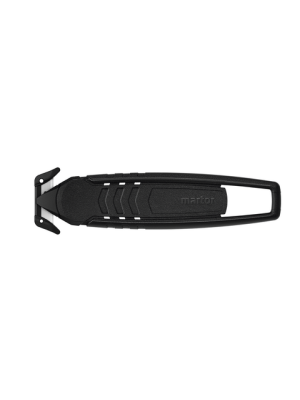
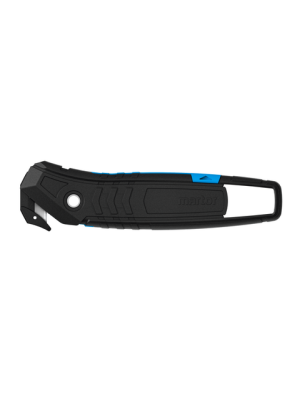
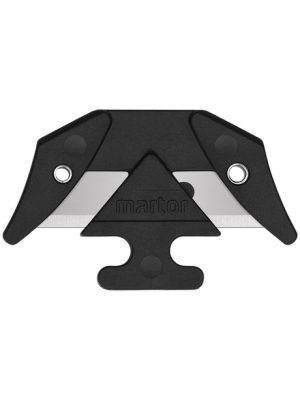
Keen to take the next step? MARTOR Australia offers quality safety cutters, safe cutting guides, and active accident prevention solutions to meet the specific demands of your operation. Our safety knives are designed for active injury prevention, helping you protect your employees while also reducing the financial impact of workplace incidents. So if you’re ready to protect your team and your bottom line, then get in touch with MARTOR today and take the first step towards a safer, smarter cutting solution.
Explore Our New Products Including: