Scalpel Blades: Precision Replacement Blades for MARTOR Cutting Tools

Scalpel blades suit jobs where a sharp, narrow, controlled cut matters more than raw cutting force. MARTOR scalpel blades are professional replacement blades for compatible MARTOR scalpels, made for industrial and professional use. They cover a wide range of precision work, from graphic and craft cutting to trimming paper, film and textiles. The right blade depends on your cutting tool and the material you're cutting. Below, we break down how to choose correctly.

Scalpel Blades

Scalpel Blades: Precision Replacement Blades for MARTOR Cutting Tools

Scalpel blades suit jobs where a sharp, narrow, controlled cut matters more than raw cutting force. MARTOR scalpel blades are professional replacement blades for compatible MARTOR scalpels, made for industrial and professional use. They cover a wide range of precision work, from graphic and craft cutting to trimming paper, film and textiles. The right blade depends on your cutting tool and the material you're cutting. Below, we break down how to choose correctly.

View as Grid List

10 Items

per page
  1. SCALPEL BLADE #25
    Rating:
    0%
    AUD$19.14
    Out of stock
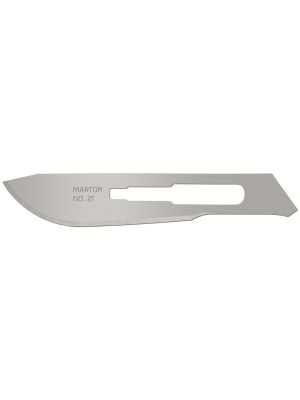
  2. SCALPEL BLADE #21
    Rating:
    0%
    AUD$19.14
    Out of stock
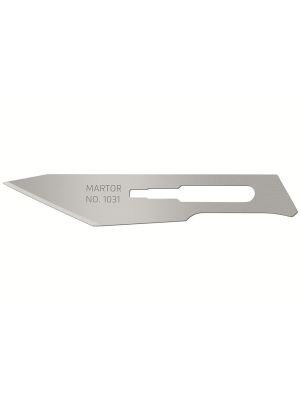
  3. SCALPEL BLADE #1031
    Rating:
    0%
    AUD$19.14
    Out of stock
View as Grid List

10 Items

per page

MARTOR Scalpel Blades for Precise Cutting

A sharp, undamaged blade does the work for you. It lets you cut with less downward pressure, which means more control and a cleaner finish, especially on fine or layered materials. A blunt or damaged blade needs more pressure to cut, and that extra pressure raises the chance of the blade slipping off-line. That's why MARTOR recommends working only with sharp, clean and undamaged MARTOR blades: safe, effective cutting starts with the blade. Each MARTOR scalpel blade is made from high-quality steel, with a 2-sided ground edge and a single bevel.

Choose the Right Scalpel Blade for Your Application

Each scalpel blade is matched to specific MARTOR handles, so the blade has to suit your tool as well as your task. Two blades that look similar can differ in length, width, thickness and edge grind, and those differences decide whether a blade fits your handle and suits your material. Before ordering, check the blade's dimensions against your tool's specifications and the job you're cutting for.

Here's how three blades in the MARTOR range compare. All three have a 2-sided ground edge with a single bevel.


Blade Length Width Thickness Fits (example MARTOR tool)
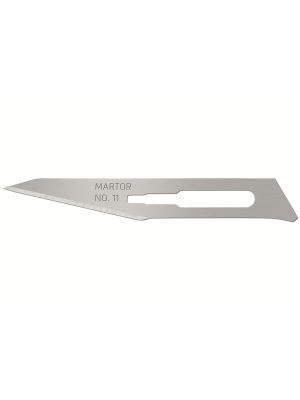
Scalpel Blade No. 11 41.5 mm 5.9 mm 0.4 mm GRAFIX SCALPEL SMALL No. 23111 (installed blade)
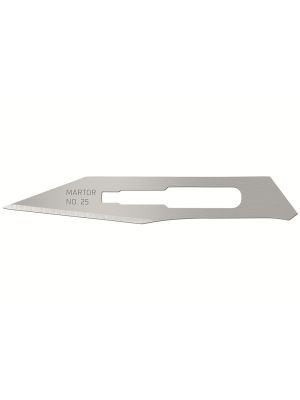
Scalpel Blade No. 25 49.4 mm 9 mm 0.4 mm GRAFIX SCALPEL PLASTIC No. 20125
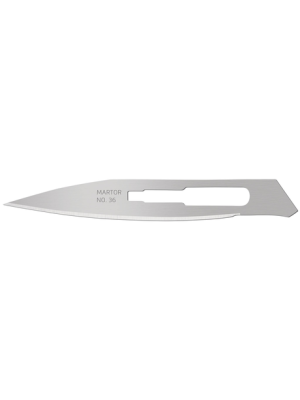
Scalpel Blade No. 36 60 mm 8.7 mm 0.4 mm GRAFIX SCALPEL PLASTIC No. 20125


Longer blades suit longer, sweeping cuts; shorter, narrower blades suit tight detail work. If you're unsure which blade matches your tool, our team can confirm it before you order.

Contact us for compatibility advice →

Scalpel Blade Applications

MARTOR's GRAFIX scalpels are designed for precise cutting of paper, film and textiles, so their blades suit detailed, controlled cutting rather than heavy-duty or bulk material work.

  • Graphic and craft work – trimming graphic paper and fine paper stocks with a clean line.
  • Film cutting – cutting film sheets and thin films, where a wandering blade ruins the piece.
  • Textiles – precise cuts in fabric where accuracy matters more than force.
  • Detailed precision cutting – small, exact cuts where the margin for error is small.

If you're unsure which category your job fits, check with us before you buy. The right blade for the material makes the difference between a clean cut and a frustrating one.

Features to Consider When Choosing Scalpel Blades

Four factors decide whether a blade is right for your job.

  • Blade size and shape – matched to your tool and the scale of the cut.
  • Cutting edge and bevel – MARTOR scalpel blades have one usable cutting edge, with a 2-sided ground edge and a single bevel for a precise, directional cut.
  • Material thickness – the blades in this range are 0.4 mm thick, thin enough for fine control.
  • Compatibility with your MARTOR tool – always the deciding factor, since a correctly seated blade cuts safely and cleanly.

Replacement Scalpel Blades for MARTOR Knives

A blade tells you when it's due for replacement. Watch for reduced cutting performance, more resistance as you cut, a visibly damaged or chipped edge, or difficulty getting a clean line where the cut used to come easily. Replacing a worn blade promptly keeps your tool performing as intended and keeps the work safer, because a dull blade needs more force and is more likely to slip. MARTOR recommends changing blades once they become dull and disposing of used blades in a dedicated blade container, never in general waste.

Explore the Blade Recycling Program →

How to Select the Correct MARTOR Scalpel Blade

  1. Identify your MARTOR scalpel model – check the handle or your original packaging for the model name and number.
  2. Check which blades mount in that tool – each MARTOR scalpel’s product page lists its installed and mountable blades.
  3. Confirm the blade dimensions and type match what your tool requires.
  4. Match the blade to your material and cutting task, using the applications guidance above as a starting point.

Still working out which blade you need? Get in touch, and we'll confirm it against your tool model.

Safe Handling and Blade Replacement

Scalpel blades are extremely sharp, so handling and storage deserve the same care as the cutting itself. Keep blades in their packaging until use, and fit them only into a compatible MARTOR tool. When changing a blade, follow the instructions for your specific MARTOR product.

A note on safe disposal: Dispose of used blades in a MARTOR SAFEBOX or USED BLADE CONTAINER #9810, or return them through MARTOR Australia's Blade Recycling Program.

Why Choose MARTOR Scalpel Blades?

MARTOR Australia has been an official partner of the MARTOR family for more than 20 years. MARTOR is a family-owned company that has developed and manufactured cutting tools in Solingen, Germany, for over 80 years, and today its range of more than 550 products reaches customers in more than 80 countries.

Quality is built into the process. MARTOR's quality management system is certified to DIN EN ISO 9001:2015, and its in-house test workshop measures how long blades keep their sharpness by cutting through hundreds of metres of material.

View the full MARTOR scalpel blade range →

Frequently Asked Questions About Scalpel Blades

What are scalpel blades used for?

Scalpel blades handle precision cutting tasks where you need a fine, controlled line. Think graphic and craft work, cutting film sheets, or detailed work in paper and textiles. The narrow blade and fine edge give you the accuracy those jobs call for.

What is the difference between scalpel blades and standard utility blades?

Scalpel blades are narrower and thinner, with a fine ground edge suited to detailed, controlled cutting. Utility blades are wider and thicker, and they're designed for general-purpose or heavier cutting through thicker materials. You'd reach for a scalpel blade on fine paper or thin film, and a utility blade on cardboard or heavier packaging.

Which MARTOR knife uses scalpel blades?

MARTOR's GRAFIX scalpels. For example, the GRAFIX SCALPEL SMALL No. 23111 comes fitted with Scalpel Blade No. 11, and the GRAFIX SCALPEL PLASTIC No. 20125 takes Scalpel Blades No. 25 and No. 36. For other models, check the mountable blades listed for your tool, or send us your tool details and we'll match it to the correct blade.

How do I choose the right replacement scalpel blade?

Start with your tool model, since that narrows the field to the blades your handle can take. From there, confirm the dimensions and edge type against your original blade. Then check the blade suits the material and job you're cutting, using the applications guide on this page as a starting point.

When should I replace a scalpel blade?

A few signs tell you it's time: reduced cutting performance, more resistance as you cut, or a visibly damaged or chipped edge. Difficulty getting a clean line where the cut used to come easily is another clear signal. Once you spot any of these, change the blade.

Can MARTOR scalpel blades be used with any knife?

No. Each blade is matched to specific MARTOR tools, so the blade number on your current blade or its packaging is your starting point. Fitting a blade into a handle it wasn't designed for affects both cut quality and the safety of the tool. If you're unsure, check the mountable blades for your model or send us the details, and we'll confirm the right pairing before you order.

How should used scalpel blades be disposed of?

Used blades go into a MARTOR SAFEBOX or USED BLADE CONTAINER #9810, kept separate from general waste. Business customers in Australia and New Zealand can return a full, locked #9810 container of used MARTOR blades through our Blade Recycling Program, together with a completed return form. Once we receive and inspect the return, we supply a replacement #9810 at 50% off. The program accepts clean, dry, non-clinical MARTOR blades only; medical or surgical blades and other brands aren't accepted.