
5 Box Cutter Safety Tips for a Safer Work Environment
Introduction

Safety knives and safety box cutters have become vital tools across countless industries. From warehousing to packaging, knives are routinely used to quickly and efficiently slice through materials like boxes, strapping, and shrink wrap. However, when knives or blades are of inferior quality, they can present considerable safety risks; especially if the workers handling them have not undergone proper knife safety training. In fact, studies show that box cutters account for nearly one-third of workplace injuries, while lacerations and cuts cause 80% of hand injuries in the workplace.
So, while speed and efficiency are obviously crucial factors for any successful business, prioritising safety is just as important. That’s why MARTOR is not only dedicated to producing premium grade products, but we are also committed to fostering safer workplaces and helping companies reduce injury rates. Drawing on decades of expertise in safety knife innovation and professional training, we’ve compiled essential box cutter safety tips to help you minimise risks and create a safer environment in your factory, warehouse, or workplace. You can scroll down to learn more or browse MARTOR box cutters here.
Understanding Box Cutter Risks
To prevent knife injuries, it’s essential to first understand how they happen. Common causes of lacerations and other injuries include:
- Workers using dull or damaged blades.
- Workers failing to retract blades after use.
- Workers attempting to cut through excessively tough materials.
- Workers cutting towards the body.
- Workers cutting within a cluttered environment.
Preventing such injuries requires collaboration among various stakeholders, including managers, employees, and the quality of tools provided. Employees are significantly more likely to sustain injuries if they lack access to high-quality safety knives or proper training.
5 Box Cutter Safety Tips to Prevent Injuries
Building upon our extensive experience and customer insights, MARTOR has developed these five box cutter safety tips to encourage safer workplace practices that can help you create a safer work environment for everyone.
1. Equip Your Team With the Correct Tools
When engineering new safety knives, MARTOR prioritises safety features. Any employer, manager or OHS officer should also prioritise workplace safety first and foremost; and the best place to start is by equipping your team with the right tools for the job.
Investing in a safety knife designed to minimise or eliminate injuries is one of the smartest decisions you can make. Many generic box cutters or knives claiming to be safety knives, lack essential safety features, increasing the risk of workplace accidents. Opting for cutters with a fully automatic retractable or concealed blade provides optimal protection. These designs ensure that if a user’s hand slips while cutting, the blade automatically retracts, significantly reducing the likelihood of lacerations.
MARTOR’s safety knives are crafted with ergonomic grips to enhance user comfort. Our ergonomic safety knives not only keep workers more comfortable, but they also reduce the risk of hand cramps during extended use, which prevents the fatigue, weakened grip, and reduced precision that might otherwise lead to a nasty workplace accident.

Wearing protective gloves is another safety precaution. Gloves not only shield hands from cuts and nicks but also improve grip, helping to prevent slips while handling or cutting materials.
Finally, maintaining a well-stocked first aid kit is essential for any workplace where box cutters are used regularly. This ensures prompt response to any minor injuries, helping to keep employees safe and your operations running smoothly.
2. Maintain the Blade’s Integrity
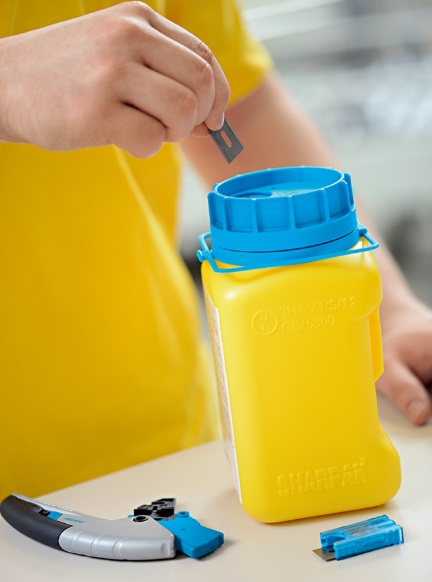
Dull, rusty, or damaged blades will significantly raise the risk of injury. Regardless of the blade material, it’s important to ensure that the blade is sharp, clean, and well-maintained.
Sharpness is Key: A sharp blade smoothly cuts through materials, while a dull one requires more effort, which increases the likelihood of slips and accidents.
Rust and Damage: Rusty or broken blades can be dangerous in several ways. Rust can cause infections if it results in a cut, while damaged blades can demand more force, making accidents more likely.
To avoid these dangers, always use a sharp, well-maintained blade. Replace any dull or damaged blades immediately and keep spare blades available to ensure you're always prepared with the right tool. At MARTOR, we’re proud to offer not only the safest safety knives but also the sharpest blades. You don’t have to choose between sharpness and safety. As a rule, avoid using old or damaged blades, and always have replacements on hand in case a blade becomes compromised.
3. Cut With Conviction and Away From the Body
Safety knives are effective tools for slicing through a variety of materials, both thick and thin. However, their use requires controlled, steady pressure to ensure safe operation.
Proper cutting technique requires the user to always cut away from the body. There is never a reason to cut toward the body, as even a minor slip can cause significant injury. Cutting toward yourself, even unintentionally, can result in severe injuries if the blade unexpectedly slips or catches. It’s also best to cut through the material halfway, then flip it over and cut the other side. This approach keeps the blade away from the body, minimising the risk of slips or accidents. In order to ensure that your cutting technique is as safe and accurate as can be, we recommend consulting MARTOR’s video safety tutorials.
4. Handle the Box Cutter With Care
All knife users should be fully trained in the safe operation of safety knives. The next time you handle a knife, it is important that you observe the following essential safety tips:
- Inspect the blade: One should always check the condition of the blade before and after each use to ensure it is free from damage or wear.
- Retract the blade when not in use: Always retract the blade when the cutter is not in use, so as to prevent accidental exposure.
- Correctly adjust the blade length: If your box cutter allows for blade adjustment, make sure to shorten the blade and lock it in place to reduce the risk of injury.
- Maintain a safe distance from the blade: Keep your thumb away from the cutting edge, and ensure your other hand is positioned safely to avoid potential cuts.
- Pass the box cutter securely: When handing over a box cutter, pass it handle-first, and never, ever throw it to someone else.
- Do not attempt to catch a falling cutter: Never, ever try to catch a box cutter if it falls, as this can result in serious injury.
By following these straightforward guidelines, you can help prevent accidents and ensure a safer work environment.
5. Invest in Knife Safety Training
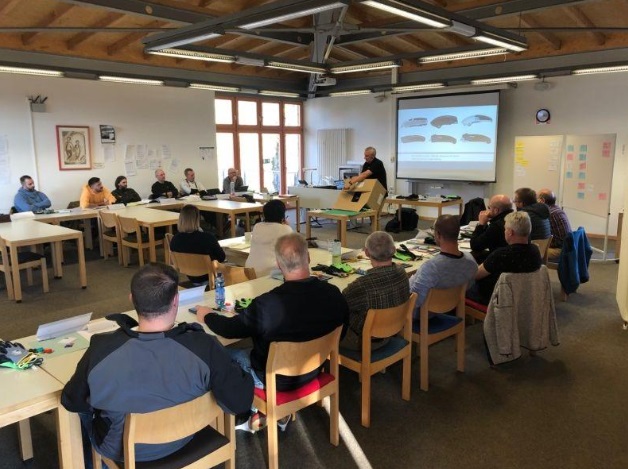
If you’ve not done so already, now is the time to invest in correct safety knife training for you and your staff. Safety knife training should cover everything from the correct use of knives to basic first aid procedures. Enrolling in, attending, or conducting a knife training course is a valuable investment, as safeguarding your employees from serious injury should always be your top priority.
For the past 40 years, MARTOR has collaborated with businesses across the country to establish life-saving knife training programs. Regardless of your business requirements, MARTOR is here to help you ensure a safe and efficient environment for you and your staff. You can read more about how MARTOR’s training program can keep your workplace safe here.
MARTOR Australia: The Safer Solution for Cutting
Correct knife usage is critical to workplace safety, and MARTOR’s safety knives are designed to support these practices. We are committed to providing the tools and training that make safety a priority. With a wide selection of safety cutters featuring fully-automatic knives, concealed blades, and ergonomic handles, MARTOR ensures your employees are equipped with the best tools to minimise injury risks.
You can read about our safety-technologies here, or visit the MARTOR home page or browse our new extensive range of products. In addition to quality safety cutters, MARTOR offers specialised training programs that cover proper knife handling, blade maintenance, and first aid protocols. Got a question? You can contact MARTOR directly here.